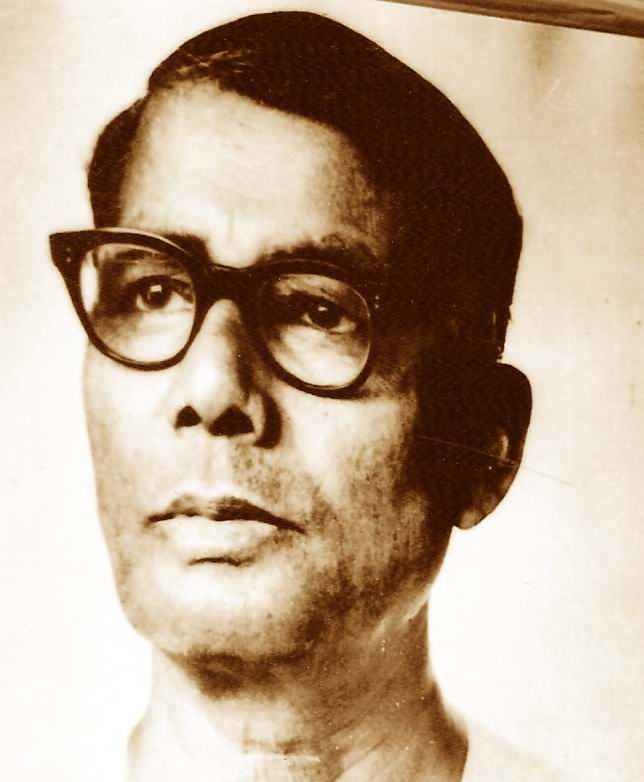
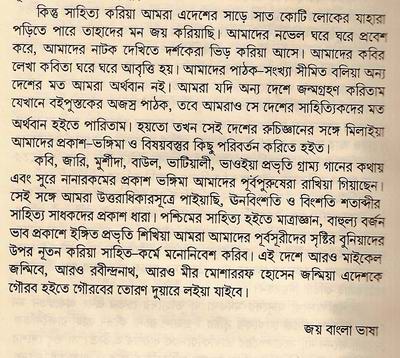
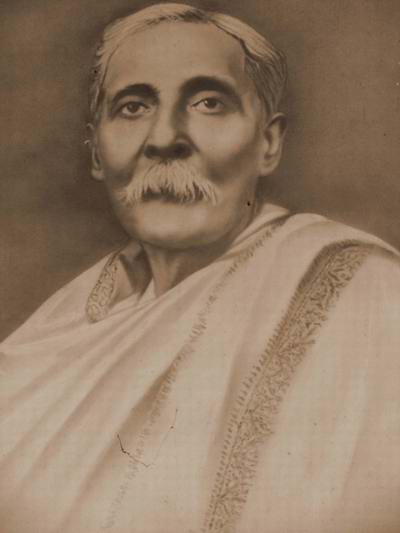
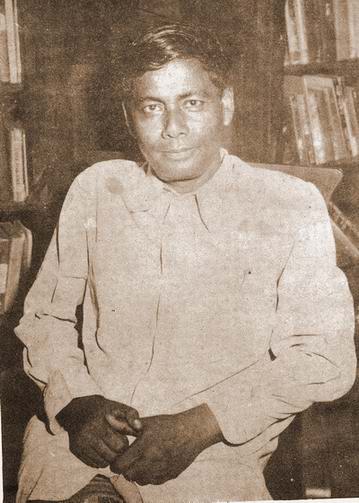
 Sen was born to Ishwar Chandra Sen in the village of Bakjuri in the present-day Manikganj District of Bangladesh. In 1882, he passed his University Entrance examination from Jagannath School in Dhaka. In 1885, he passed his F.A. examination from Dhaka College. He passed his B.A. examination with Honours in English literature in 1889 as a private student. In 1891, he became the headmaster of the Victoria School in Comilla. From 1909-13, he was a reader in the newly founded Department of Bengali Language and Literature of the University of Calcutta. In 1913, he became the Ramtanu Lahiri Research Fellow in the same Department. In 1921, the University of Calcutta conferred on him the Doctorate of Literature in recognition of his work. In 1931, he received the Jagattarini gold medal for his contribution to the Bengali literature. He retired from service in 1932.[1] He died in Calcutta in 1939. Sen was born to Ishwar Chandra Sen in the village of Bakjuri in the present-day Manikganj District of Bangladesh. In 1882, he passed his University Entrance examination from Jagannath School in Dhaka. In 1885, he passed his F.A. examination from Dhaka College. He passed his B.A. examination with Honours in English literature in 1889 as a private student. In 1891, he became the headmaster of the Victoria School in Comilla. From 1909-13, he was a reader in the newly founded Department of Bengali Language and Literature of the University of Calcutta. In 1913, he became the Ramtanu Lahiri Research Fellow in the same Department. In 1921, the University of Calcutta conferred on him the Doctorate of Literature in recognition of his work. In 1931, he received the Jagattarini gold medal for his contribution to the Bengali literature. He retired from service in 1932.[1] He died in Calcutta in 1939.
He is mostly known for collecting and compiling the folklore of Bengal. Along with Chandra Kumar De, he published Mymensingh Gitika, or the Ballads of Mymensingh, a collection of 21 ballads.
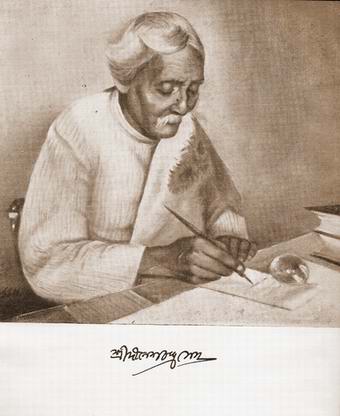
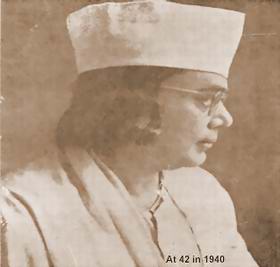
A few biographical details are in order. Born in a village in the district of Dhaka in 1866, Dinesh Chandra Sen (or Dinesh Sen for short) graduated from the University of Calcutta with honors in English literature in 1889 and was appointed the headmaster of Comilla Victoria School in 1891 in Comilla in Bangladesh.
While working there, he started scouring parts of the countryside in Eastern Bengal in search of old Bengali manuscripts. The research and publications resulting from his efforts led to his connections with Ashutosh Mukherjee, the famed educator of Bengal and twice the vice chancellor of the University of Calcutta (1906–1914 and 1921–23).
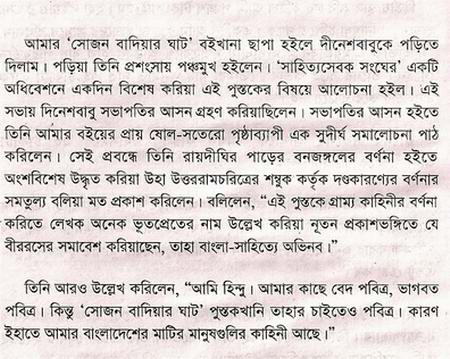
In 1909, Mukherjee appointed Sen to a readership and subsequently to a research fellowship in Bengali at the university. 5. Sen was eventually chosen to head up the postgraduate department of Bengali at the University of Calcutta when that department—perhaps the first such department devoted to postgraduate teaching of a modern Indian language—was founded in 1919. Sen served in this position until 1932. He died in Calcutta in 1939. Sen produced two very large books on the history of Bengali literature: Bangabhasha o shahitya (Bengali Language and Literature) in Bengali, first published in 1896, and History of Bengali Language and Literature (in English), based on a series of lectures delivered at the University of Calcutta and published in 1911. 6. He also produced many other books including an autobiography. All his life, Sen remained a devoted, tireless researcher of Bengali language and literature. 7
Sen, today, is truly a man of the past. His almost exclusive identification of Bengali literature with the Hindu heritage, his idealization of many patriarchal and Brahmanical precepts, and his search for a pure Bengali essence bereft of all foreign influence will today arouse the legitimate ire of contemporary critics. It is not my purpose to discuss Sen as a person. But, for the sake of the record, it should be noted that, like many other intellectuals of his time, Sen was a complex and contradictory human being. This ardently and (by his own admission) provincial Bengali man loved many English poets and kept a day's fast to express his grief on hearing about the death of Tennyson. 8.
For all his commitment to his own Hindu-Bengali identity, he remained a foremost patron of the Muslim-Bengali poet Jasimuddin. 9. The inclusion of a poem by Jasimuddin in the selection of texts for the matriculation examination in Bengali in 1929, when Hindu-Muslim relations were heading for a new low in Bengal, was directly due to Sen's intervention at the appropriate levels. 10. And his patriarchal sense of the extended family did not stop him from encouraging his daughters-in-law to pursue higher studies. 11.
6. For a factual revision of Dinesh Sen’s research findings see the appendices added by Prabodh Chandra Bagchi and Asitkumar Bandyopadhyay to Dinesh Chandra Sen, Bangabhasha o shahitya, ed. Asitkumar Bandyopadhyay, 2 vols. (Calcutta, 1991), 2:868–89.
7. Biographical details on Dinesh Sen are culled here from his autobiography, Gharer katha o jugashahitya (1922; Calcutta, 1969; Supriya Sen, Dineshchandra; biographical note entitled "The Author's Biography" published in Dinesh Chandra Sen, Bangabhasha o shahitya, 1:43–5; and "The Author's Life," in Dinesh Chandra Sen, Banglar puronari (Calcutta, 1939), pp. 1–32. A later reprint of this book (1983) says in a publisher’s note that this short biography given in the first edition contains some factual errors. But the facts stated here seem to stand corroborated by other sources.
8. Supriya Sen, Dineshchandra, p. 19.
(Dipesh Chakrabarty)
|
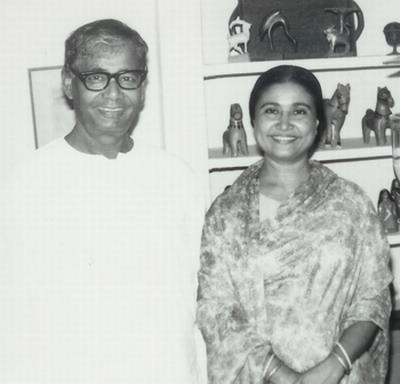
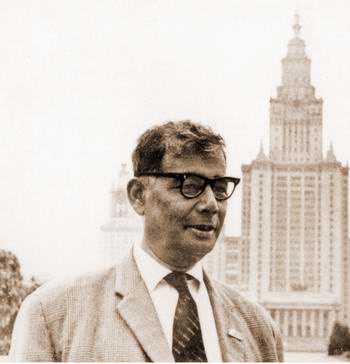
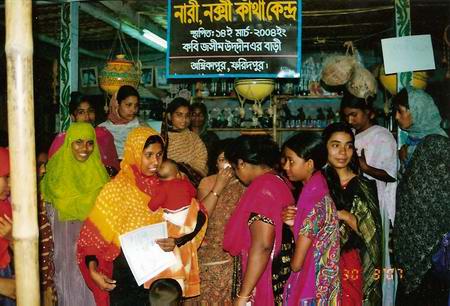
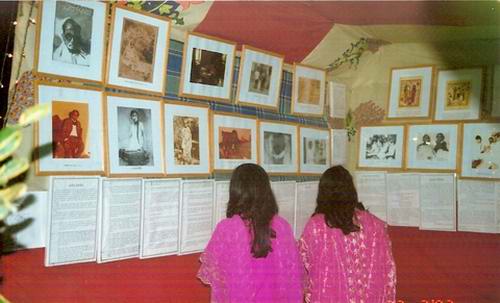
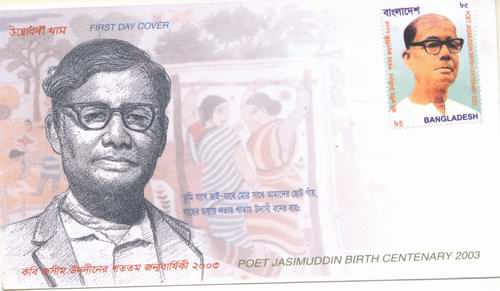
 Besides, other socio-cultural organisations and Ansaruddin High School, founded by the poet after the name of his father, have chalked out elaborate programmes to mark the day.
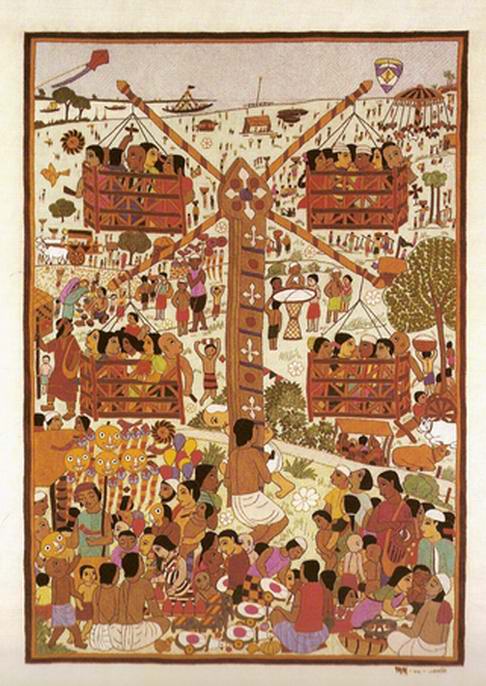
Handicrafts, cultural objects and other indigenous products depicting rural Bengal will be on and sale.
Besides, other socio-cultural organisations and Ansaruddin High School, founded by the poet after the name of his father, have chalked out elaborate programmes to mark the day.
Handicrafts, cultural objects and other indigenous products depicting rural Bengal will be on and sale.
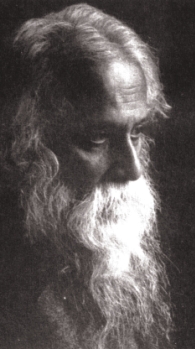
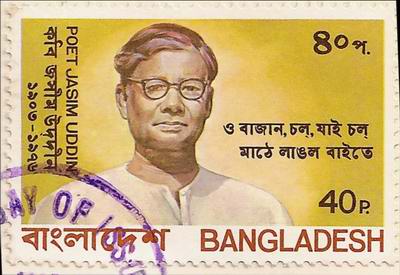
 We are rich with the literary gift from three talents: Rabindranath- Nazrul -Jasimuddin. They are unique in their own world of art. Not only in poetry, but they are also distinct bright stars in the world of melody. Jasimuddin created his own world of music in folk style just as Tagore created his world in Dhrupadi and Nazrul in Kheyal. To practise the Viswakobi we have Shanti Niketan and Viswa Bharati, for our Jatiyo-kobi we have the Nazrul Academy and Nazrul Institute. But it's a matter of regret that still we do not have an institute to remember and practice the art of our beloved Pallikobi. (Daily Star, June 12, 2003)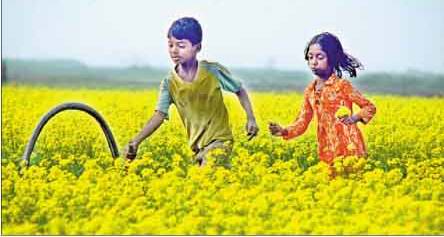
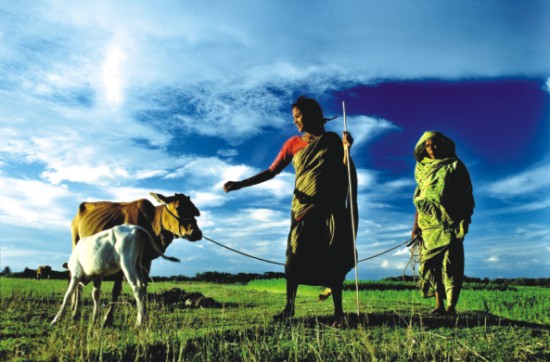
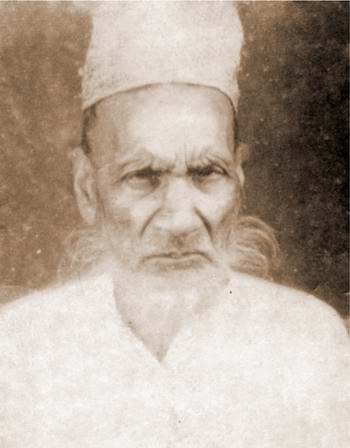
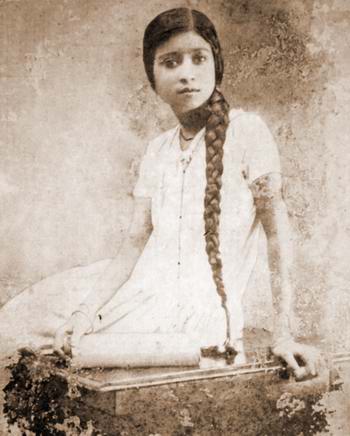
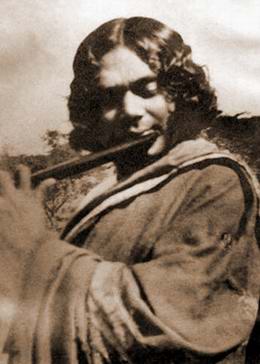
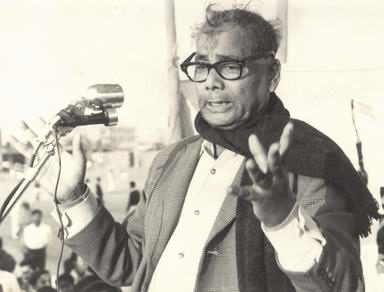
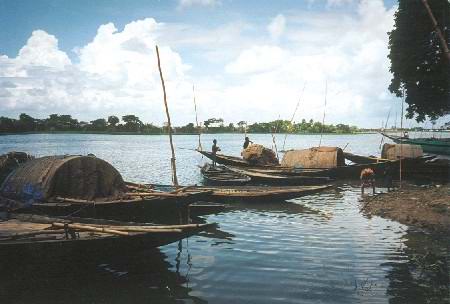
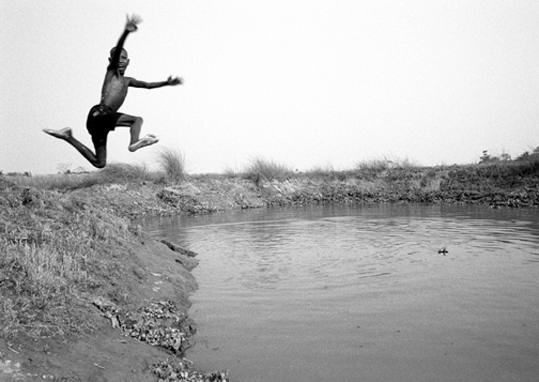 Jasim Uddin was born on January 1, 1904 (Accoding to his Matriculation Certificate, Prof. Aminul Islam, Jasimuddin, 1962), in a small village, Tambulkhana, in the Faridpur district of East Bengal. That was his grandparent's village, only eight miles from his parent's home in Govindapur (at that time Padma river was flowing by Govindopur). He has described these two villages and their manner of life in his autobiography. Many scenes from The Field and Gipsy Wharf have their setting in these villages. In those books Jasim Uddin is writing of a time when the land of Bengal had fewer problems than present day.
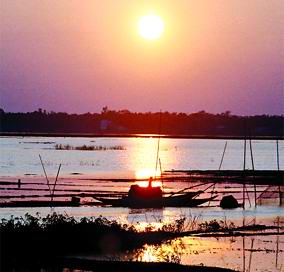 Jasim Uddin is proud of belonging to the folk tradition of Bengali literature. He was pleased by a recent comment of one critic who, praising his autobiography, said: 'Reading Jasim Uddin's Jiban Katha (autobiography) is like eating country cakes from mother's own hand.'

 I only remember something he said one day. I had asked the Pandit, "I want to write Bengali books. You give me some good advice. What shall I do to succeed in this?"

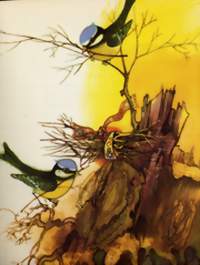
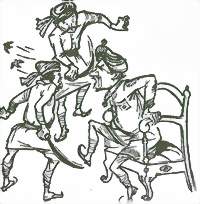 Soon the two birds were caught in the nets, but this time the king would not wait for his wise men to judge them. He took a glass and swallowed tuntuna and tuntuni.
 "I'll fly to you like a bird !" thousands of years the love and passion for birds rooted in the society. but since independence plenty of arms are scattered all over the country. I was shocked to see how a few rural people kill bird just for fun or picnic. Many rich from the cities visits wetlands of Bangladesh during winter months well equipped with modern weapons just to kill migratory birds for their kitchen pots. The most shocking event is that when I saw school age children killing birds. They prepare small fishes treated with a poisonous pesticde locally named "Furan" (Carbonfuran is a banned pesticide) and lay near water bodies. When the bird eats the fish immediately die. A young boy was narrating me excitedly, how he collected 50 birds. This is painful at the same time disgusting. Where are the values of our life? Most people does not listen poetries, songs, folk tales that communicated values of our life since thousands of years but have enough time to watch or listen imported films, songs and the culture of the elite of the society through TV , radio from morning to dawn.
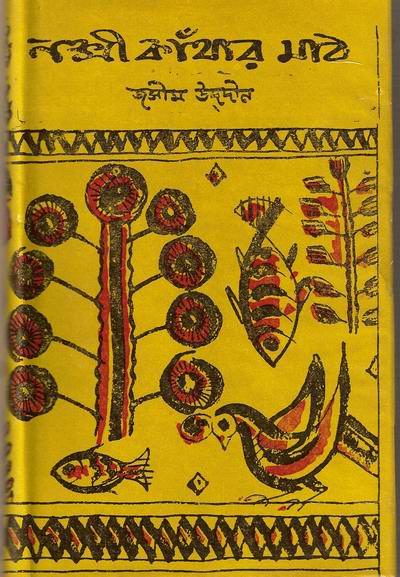
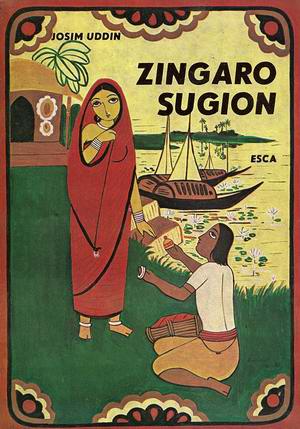
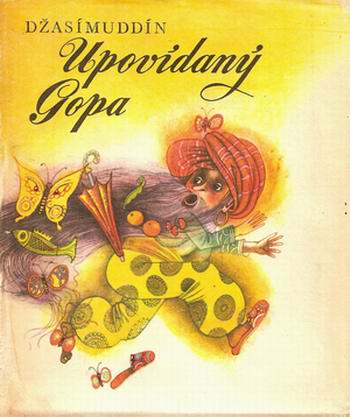
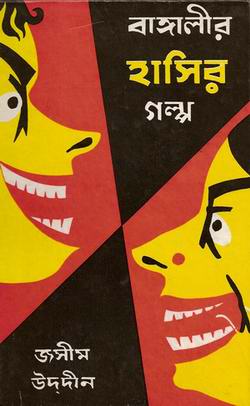
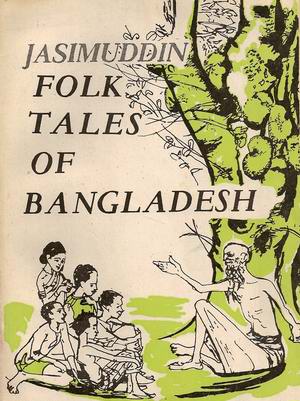
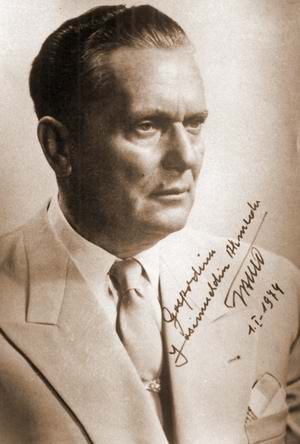 He has written books on travel to USA, Europe as Chale Musafir, Halde Parir Desh (Jugoslwia travel) obtained UNESCO Prize, Germanir Shahare and Bandere and Je Deshe Maush Boro
Other important lyrics written recently are in the books Rupavati 1946 and Sakhina 1960, Halud Barani (both girls' names). The first book of lyrics published after the partition of India-Pakistan, when the poet moved permanently to Dacca, was the book. Matir Kanna (Sorrows of the Earth) 1955. This book has been translated into Russian.
He has written books on travel to USA, Europe as Chale Musafir, Halde Parir Desh (Jugoslwia travel) obtained UNESCO Prize, Germanir Shahare and Bandere and Je Deshe Maush Boro
Other important lyrics written recently are in the books Rupavati 1946 and Sakhina 1960, Halud Barani (both girls' names). The first book of lyrics published after the partition of India-Pakistan, when the poet moved permanently to Dacca, was the book. Matir Kanna (Sorrows of the Earth) 1955. This book has been translated into Russian.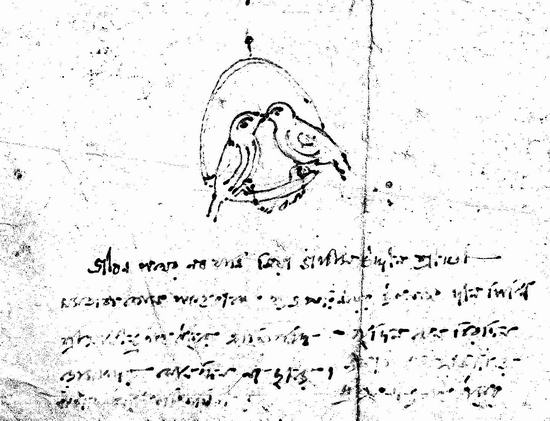

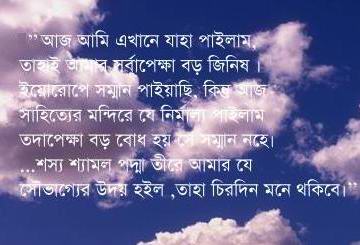
 His poetry appears like the breeze from the countryside that that cools the sighs and sweats of urban living. He is congratulated for creating a new school of poetry.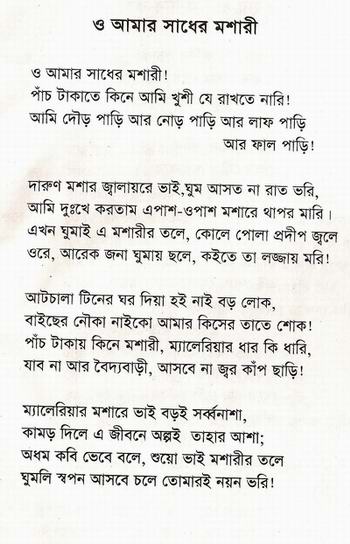
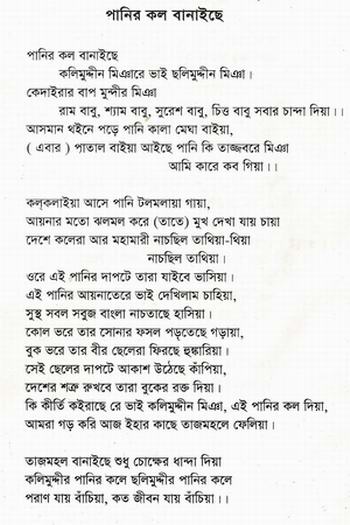
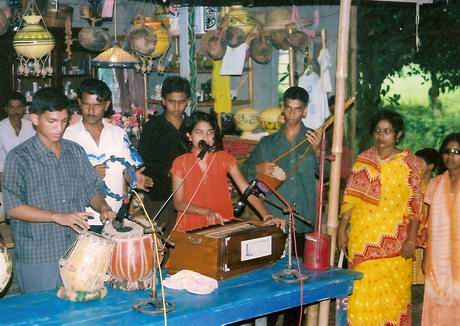
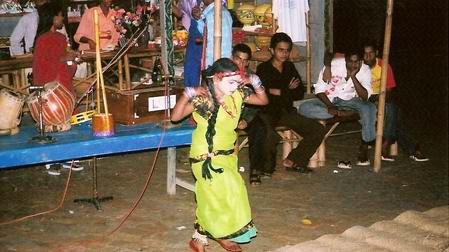
 Jasim Uddin wrote and tuned folk songs which are still celebrated in the air and sky of Bengal.
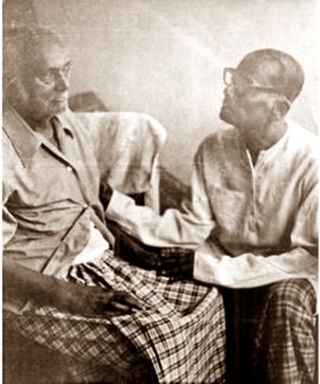
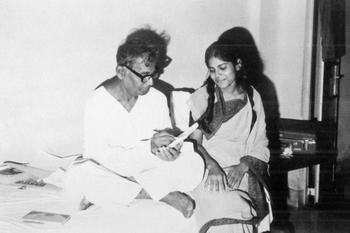
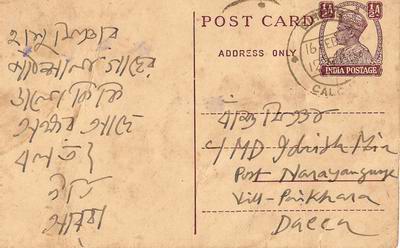
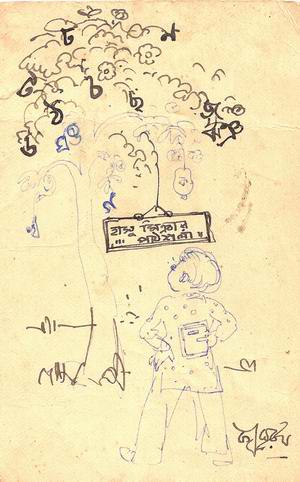
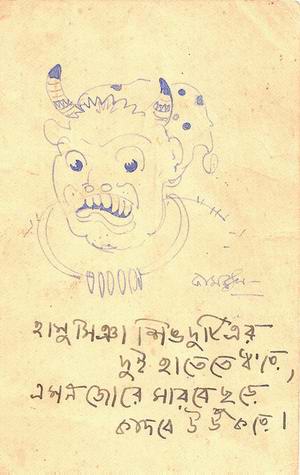
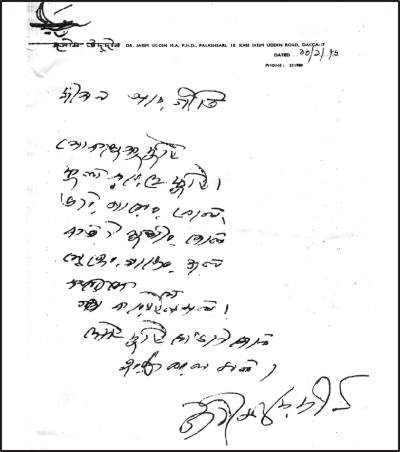
Jasim Uddin not only famous composer but he gave all the tunes of his music which is documented in gramophone records. Jasim Uddin collected several thousands of folk music from rural Bengal under the guidance of Prof. Dinesh Chandra Sen as a ramtanu Lahiri Scholar. He has written two books "Jari Gan and Murshida gan".
The songs like O Amar Daradi, O Tui Jare aghat Hanlire, Nadir Kul Nai, O Amar Gahin Ganger Naya, Oi Shon Kadambo Tale ke, Ujan Ganger Naya. 'Nishite Jaio Phulo Bane', 'Prano shokhi re oi shone kodombo tole' or 'O amar dorodi age janle' and many others still persist and have been the backbone of Bengali folk music in this country.
Jasim Uddin wrote and tuned folk songs which are still celebrated in the air and sky of Bengal.
Jasim Uddin not only famous composer but he gave all the tunes of his music which is documented in gramophone records. Jasim Uddin collected several thousands of folk music from rural Bengal under the guidance of Prof. Dinesh Chandra Sen as a ramtanu Lahiri Scholar. He has written two books "Jari Gan and Murshida gan".
The songs like O Amar Daradi, O Tui Jare aghat Hanlire, Nadir Kul Nai, O Amar Gahin Ganger Naya, Oi Shon Kadambo Tale ke, Ujan Ganger Naya. 'Nishite Jaio Phulo Bane', 'Prano shokhi re oi shone kodombo tole' or 'O amar dorodi age janle' and many others still persist and have been the backbone of Bengali folk music in this country.
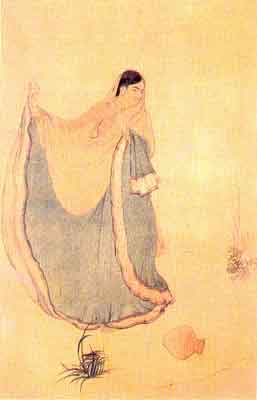
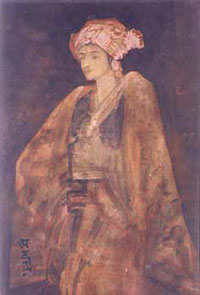
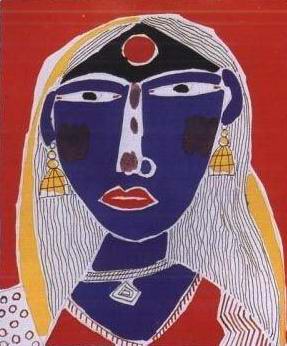
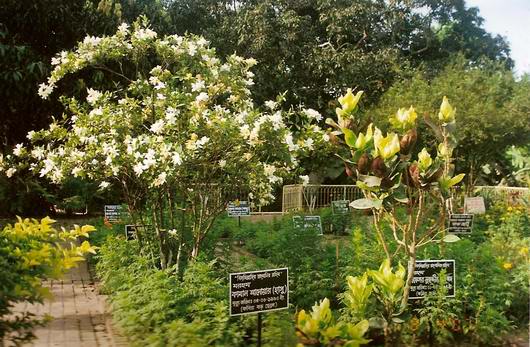
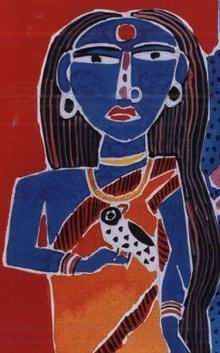
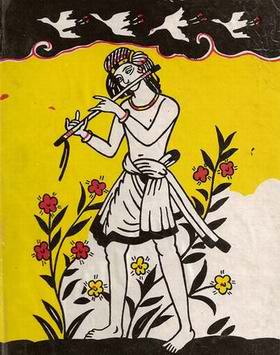
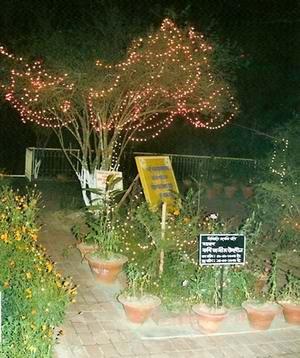
 Come to the garden by night
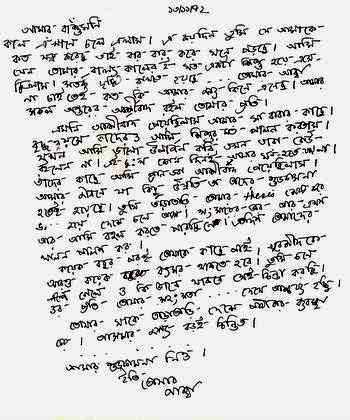
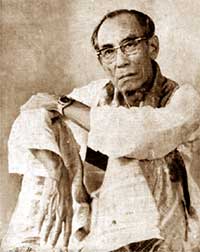 One of the most popular songs of Jasim Uddin "Come to Garden by Night" and "Bandhu Rangila" sung by famous Shachin Dev Barman (To immortalise the name of Shachin Dev Barman West Bengal govt did a lot of things and named some memorials after his name.